The Quiet Geometry of Japanese Ryokans
How wooden cedar joints, woven rush mats, and mineral baths create an intentional sanctuary from modern sensory overload.
To enter an authentic wooden ryokan along the cedar-flanked valleys of Mount Hiei is to experience an immediate acoustic deceleration. At the threshold, boots are exchanged for soft indoor slippers, and footsteps across scrubbed cypress planks emit only a quiet, rhythmic murmur. Here, time ceases to be divided into frantic increments.
1. Shoji, Tatami, and the Ken Unit
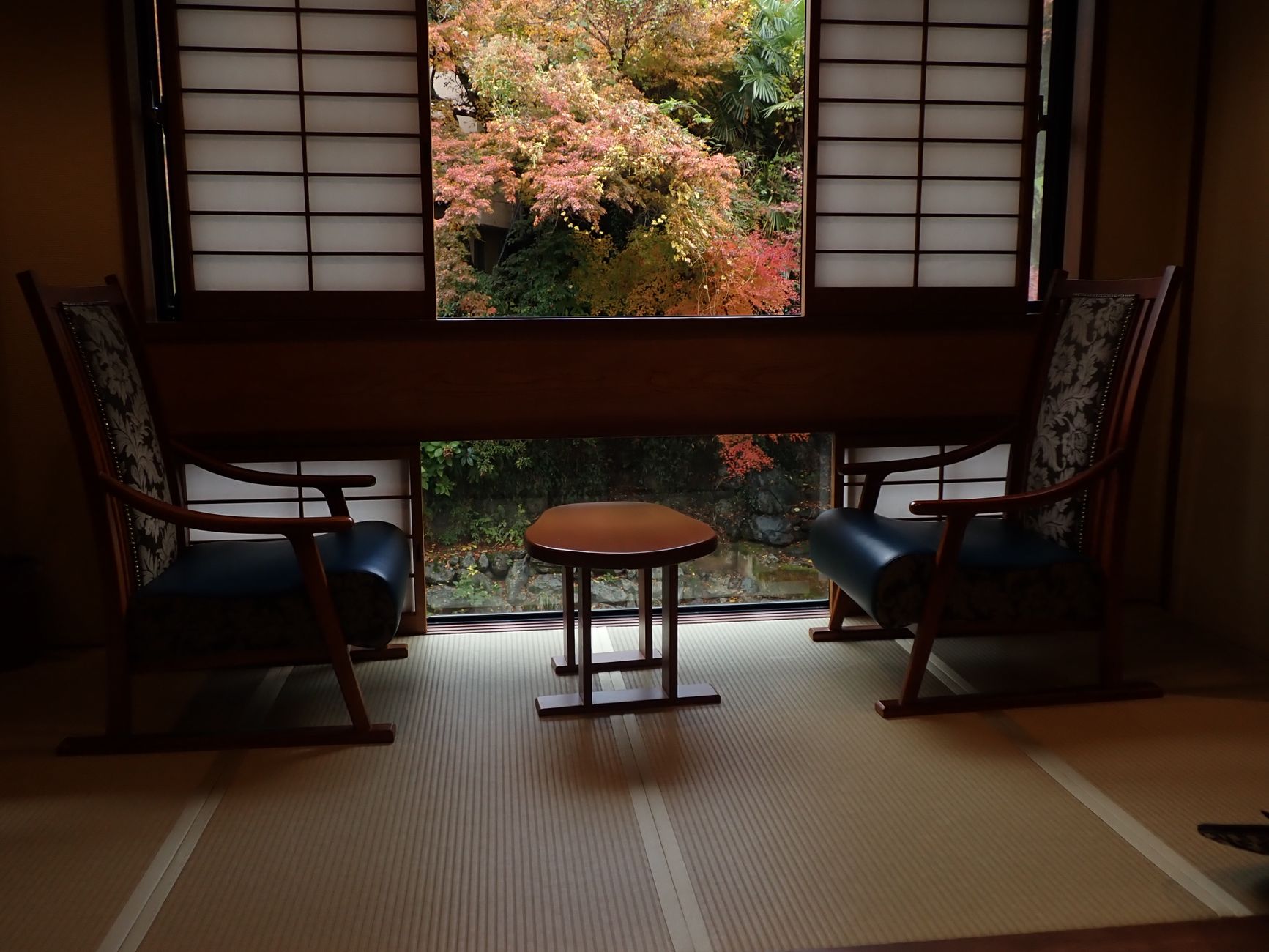
Japanese architectural harmony rests on the tatami mat. Standardized as a ratio of 1:2 (approximately 90 by 180 centimeters), these woven rush surfaces determine the room's entire spatial rhythm. Sliding screen doors (shoji) diffuse harsh sunlight into a silvery, milky luminance that washes across low wooden tables and calligraphic scrolls.
"The beauty of a Japanese room depends entirely on the variation of shadows, heavy shadows against light shadows—it has no other ornament."
Sitting on the floor recalibrates your center of gravity. Eye lines descend below the horizon of ordinary European furniture, revealing the careful joinery of baseboards, the grain of natural timber posts, and the mossy rock arrangements just beyond the garden threshold.
2. The Twilight Onsen Ritual
As dusk settles over the cedar canopy, guests slip into cotton yukata robes and wooden geta clogs. The bathhouse (rotenburo) is kept at an exacting temperature, with volcanic mineral water constantly welling up from bedrock crevices. Submerging into the steaming water while breathing cool evening mountain air produces an absolute release of tension.
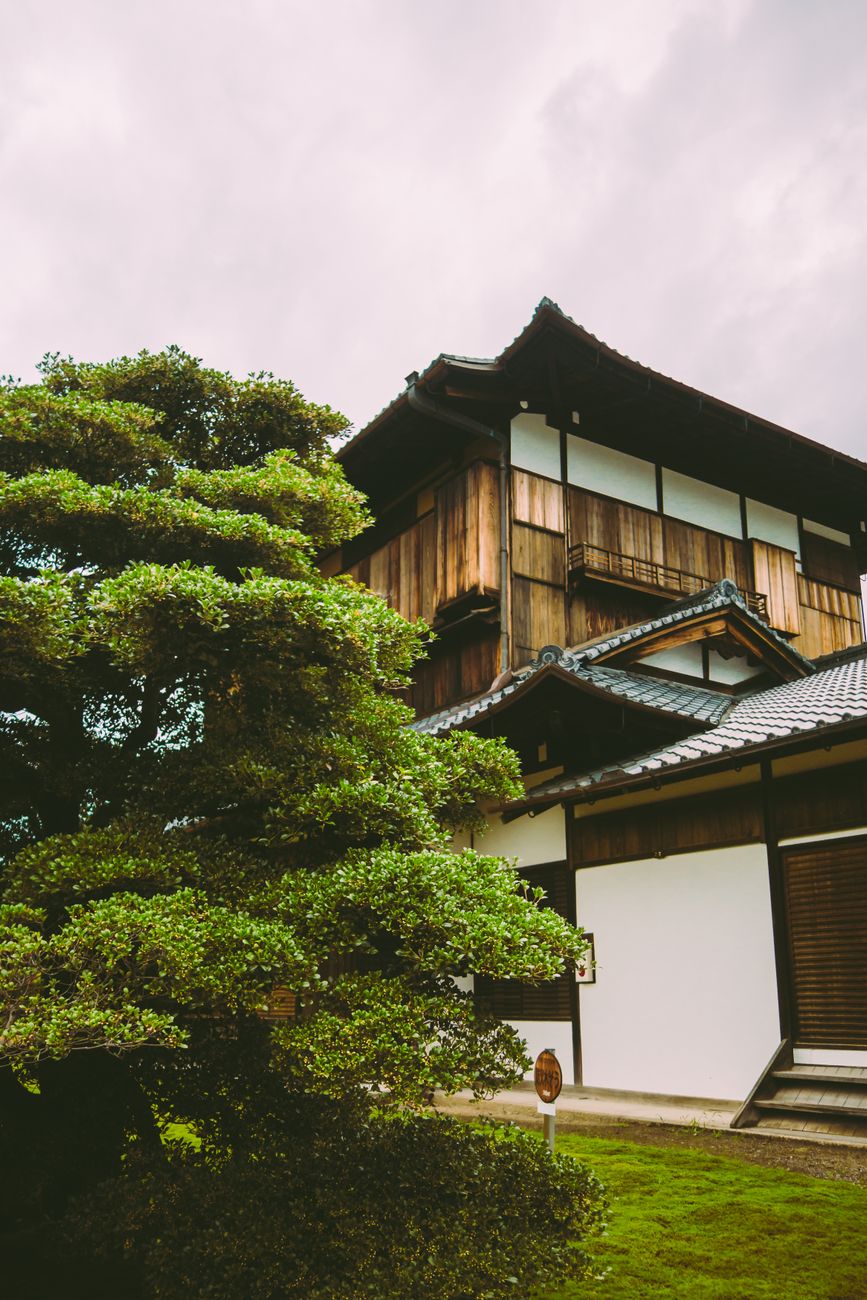
Corridor of polished cypress looking toward an autumnal moss garden in Kyoto.
3. Kaiseki: Seasonality on Ceramic
Dinner in a traditional inn is an unhurried, multi-course narrative brought quietly to your chambers. Every dish reflects the immediate calendar week: sweet wild mountain herbs (sansai) in early spring, sweetfish (ayu) grilled over charcoal in summer, matsutake mushrooms served in earthen teapots during autumn, and rich root vegetables simmering in broth through winter.
4. Practical Field Notes
- Recommended Stay Duration: Minimum of two nights per property to assimilate into the rhythm.
- Arrival Protocol: Plan to arrive between 3:00 PM and 4:30 PM to partake in the welcome tea and complete the afternoon bath ritual prior to dinner.
- Respecting Quiet: Keep mobile devices switched off within communal tatami corridors.